Small Bathroom Ideas: Stylish, Space-Saving Tips
Date
2026-01-10 11:41:21
Category
Bathroom
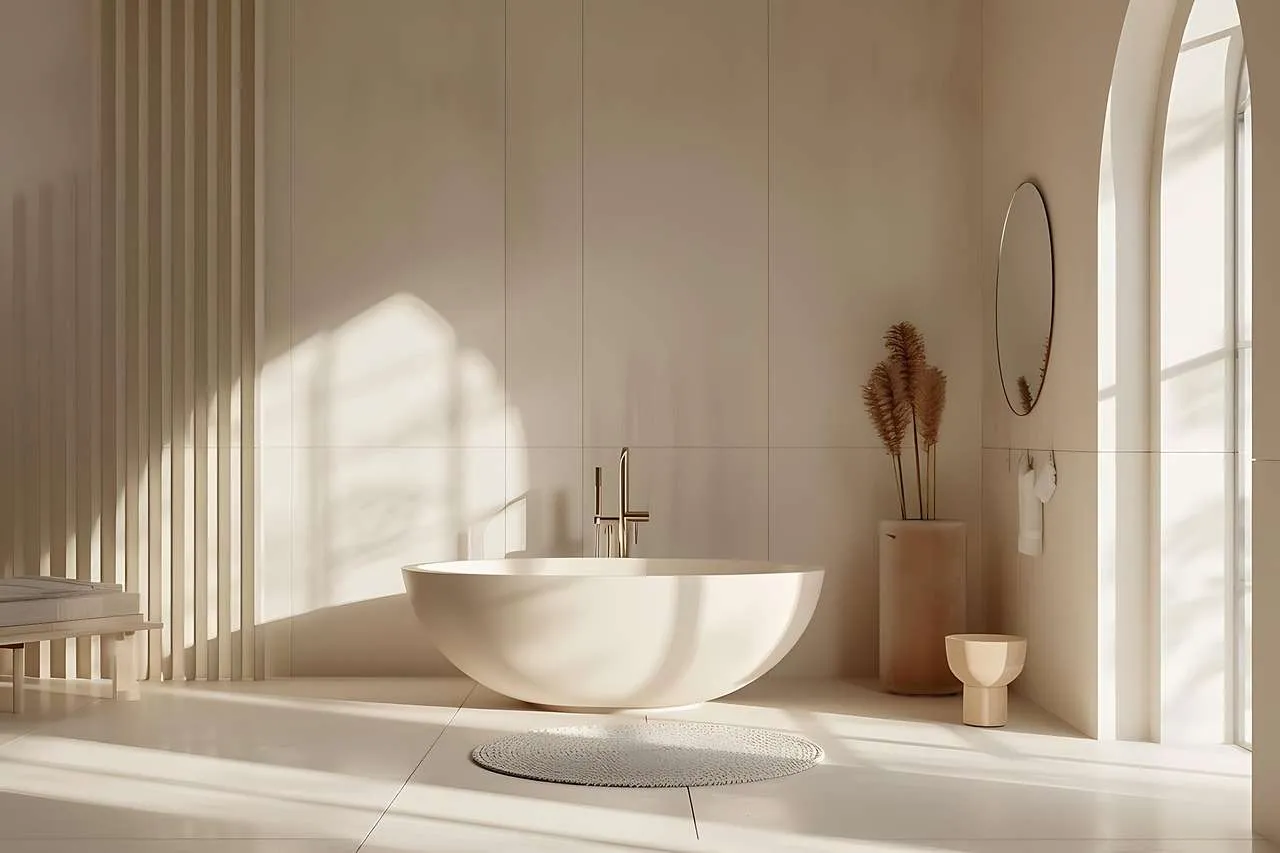
Small bathrooms present challenges but also opportunities. By focusing on function, clean lines, and thoughtful storage, you can transform a tight space into a comfortable, stylish retreat. This guide draws on professional design experience to address common pain points and deliver a practical, user-friendly approach to small bathroom ideas.
Smart layout and planning
A successful small bathroom starts with a precise layout. Measure all doors, windows, vents, and plumbing to avoid conflicts. Prioritize a direct path from the door to the shower or tub and toilet. When possible, consider wall-hung fixtures to create a sense of openness. If you must reduce fixtures, a combo shower toilet can save valuable space.
Sketch a floor plan
Draw to scale on graph paper or use design software. Place the toilet in a recessed alcove if available, position the shower as a corner unit, and keep the vanity as close to the door as practical without crowding it. A pocket door can reclaim several inches that would otherwise be wasted with a swinging door.
Zones and traffic flow
- Maintain a clear path of at least 30 inches from the doorway to the fixtures.
- Group wet areas (shower, tub) together to simplify drainage and waterproofing.
- Choose vertical storage to keep counters free for shaving and grooming.
Space-saving fixtures and storage
Fixtures should be compact and multifunctional. A wall-hung vanity creates under-vanity storage and visually lightens the room. A small rectangular sink pairs with a narrow vanity. Consider a recessed medicine cabinet or mirrored cabinet to marry reflection with storage.
Fixtures to consider
- Wall-hung toilet with a tankless design to free floor space.
- Slimline shower or bathtub with a glass panel to reduce visual bulk.
- Corner or narrow-profile storage shelves in the shower.
Brighten and visually expand
Lighting and color are powerful tools for perceived space. Use layered lighting—ambient ceiling fixtures plus task lighting around the mirror. Install a large mirror or mirrored panels to bounce light, and select light-reflecting materials such as porcelain or polished glass tiles in neutral tones.
Color and materials
Choose light neutrals with one bold accent color. Avoid heavy patterns that visually overwhelm the room. Durable, moisture-resistant finishes such as porcelain tile, quartz countertops, and vinyl flooring resist humidity and wear.
Materials and finishes
Prioritize materials that withstand moisture and cleaning. Slip-resistant flooring is essential in wet areas. Choose waterproof backer boards for walls behind showers and tub surrounds. Sealing is critical in a small space to prevent mold and mildew growth.
Budget-friendly ideas and trade-offs
Small bathroom ideas can be affordable without sacrificing quality. Reuse existing plumbing layouts when possible to reduce remodeling costs. Opt for mid-range fixtures that balance price and longevity. Trade-offs may include selecting a compact tub shower combo instead of a full tub or using a conservative tile pattern to stretch budget further.
Comparison: Traditional vs. Small bathroom design
| Aspect | Traditional Bathroom | Small Bathroom |
|---|---|---|
| Layout | Separate zones with clear walkways | Compact zones, wall-hung fixtures |
| Storage | Base cabinets; vanity may be bulky | Recessed cabinets; floating vanity |
| Fixtures | Standard tub and vanity size | Slimline tub/shower; wall-hung toilet |
| Lighting | Fewer windows; reliance on overhead lighting | Layered lighting; mirrors to reflect light |
| Color perception | Neutral with varied textures | Light colors to expand space; glossy finishes |
| Maintenance | Often more surfaces to clean | Less clutter; easier upkeep with fewer seams |
| Cost | Moderate to high depending on scope | Typically lower initial cost with smart choices |
Designer tips and expert insights
- Invest in a quality water-resistant vanity and mirror; these are high-use items in any bathroom.
- Use niches instead of freestanding shelves in showers to cut clutter and keep items within reach.
- Plan for future needs; if you anticipate aging in place, incorporate grab bars and a zero-threshold shower.
Summary: By combining careful layout, space-saving fixtures, bright finishes, and durable materials, you can create a small bathroom that feels larger, while remaining highly functional and durable. The key is to plan, measure, and choose components that maximize storage and light, then finish with cohesive aesthetics that reflect your style.