Repair of Roofing: Essential Guide
Date
2026-01-10 11:44:09
Category
Roof
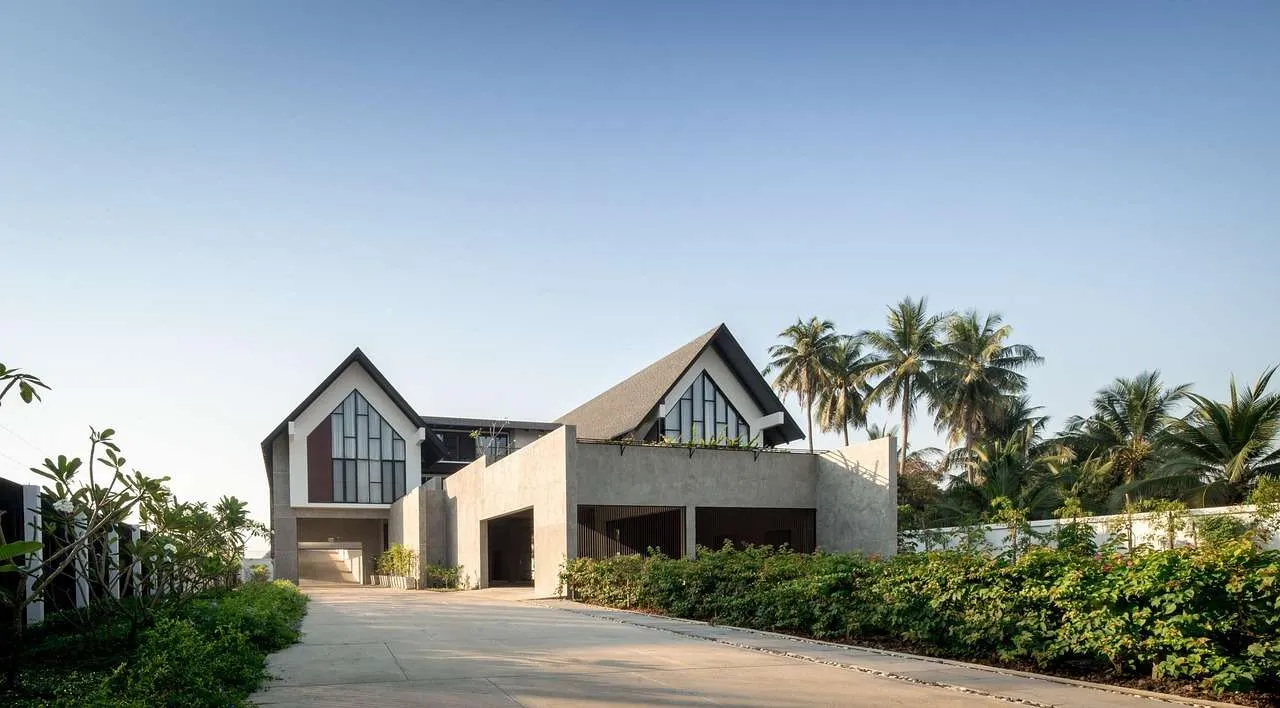
Introduction to repair of roofing
Repair of roofing is a cornerstone of home maintenance. Timely and well executed repairs prevent water intrusion, protect interior spaces, and extend the life of the roof. This guide explains how to recognize common problems, choose suitable repair methods, estimate costs, and hire a qualified roofer with confidence.
Common causes of roof damage
- Severe weather such as wind, hail, heavy rain, and sun exposure
- Age and wear causing missing or curling shingles
- Improper installation and flashing failures
- Tree contact, limb damage, and debris that clog gutters
Signs your roof needs repair
- Visible leaks on ceilings or walls after rain
- Missing, curling, or cracked shingles
- Dark stains or damp attic spaces
- Smell of mold or moisture in the attic
- Granule loss in gutters or downspouts
| Symptom | Likely Cause | Urgency | Action |
| Leaking light in attic | Damaged flashing or ridge | High | Call a licensed roofer |
| Missing shingles | Wind damage | High | Schedule repair promptly |
| Moss or algae growth | Moist roof surface | Medium | Clean and inspect for underlying damage |
| Ice damming | Insulation and ventilation issues | High | Address insulation and roof edge |
Repair options and best practices
For small leaks and localized damage, patch repairs and flashing fixes are common and cost effective. When several areas are affected or the decking is compromised, you may need a larger repair or full replacement. Always use materials compatible with your existing roof and ensure proper ventilation of the attic to prevent future moisture problems.
Localized repairs
Localized work focuses on flashing around chimneys, vents, valleys, and the edges of the roof. Replacing a few damaged shingles and sealing flashing often restores function without a full roof job.
When to consider replacement
If more than a third of the roof is damaged or the underlayment and decking show extensive wear, replacement is usually the smarter long term choice. A well installed roof with right materials can last 20 to 50 years depending on type and climate.
DIY vs professional
- Roof work is hazardous; falls are a leading risk. Use fall protection and proper ladders.
- Many repairs require permits and adherence to local building codes.
- Professional roofers bring proper insurance, warranties, and knowledge of flashing and ventilation.
- DIY may be appropriate for simple cosmetic fixes in dry conditions and on low slopes with proper safety.
Costs and planning
Repair costs vary by roof type, extent of damage, and regional rates. Small leaks or flashing repairs may cost a few hundred dollars, while more extensive repairs can reach into several thousand. If the damage is widespread or the decking is compromised, replacement costs are higher but may offer better long term value and energy efficiency. Request written estimates that itemize labor, materials, and any permits.
Choosing a roofing contractor
- Check licenses and insurance coverage
- Read reviews and request references
- Obtain multiple written estimates
- Ask about materials, warranties, and installation practices
- Ensure a clear contract and cleanup plan
Maintenance ideas to extend roof life
- Inspect after storms and seasonal changes
- Keep gutters clean and free of debris
- Trim overhanging branches to reduce impact and debris
- Ensure attic insulation and ventilation are adequate
- Address moss and algae promptly to prevent damage
Conclusion
Conclusion, this guide outlined signs of damage, repair options, cost considerations, safety, and how to hire a qualified roofer. With timely action and proactive maintenance you can protect your home and extend the life of your roof.