Home Window Tinting: Benefits and Guide
Date
2026-01-10 11:46:44
Category
Window
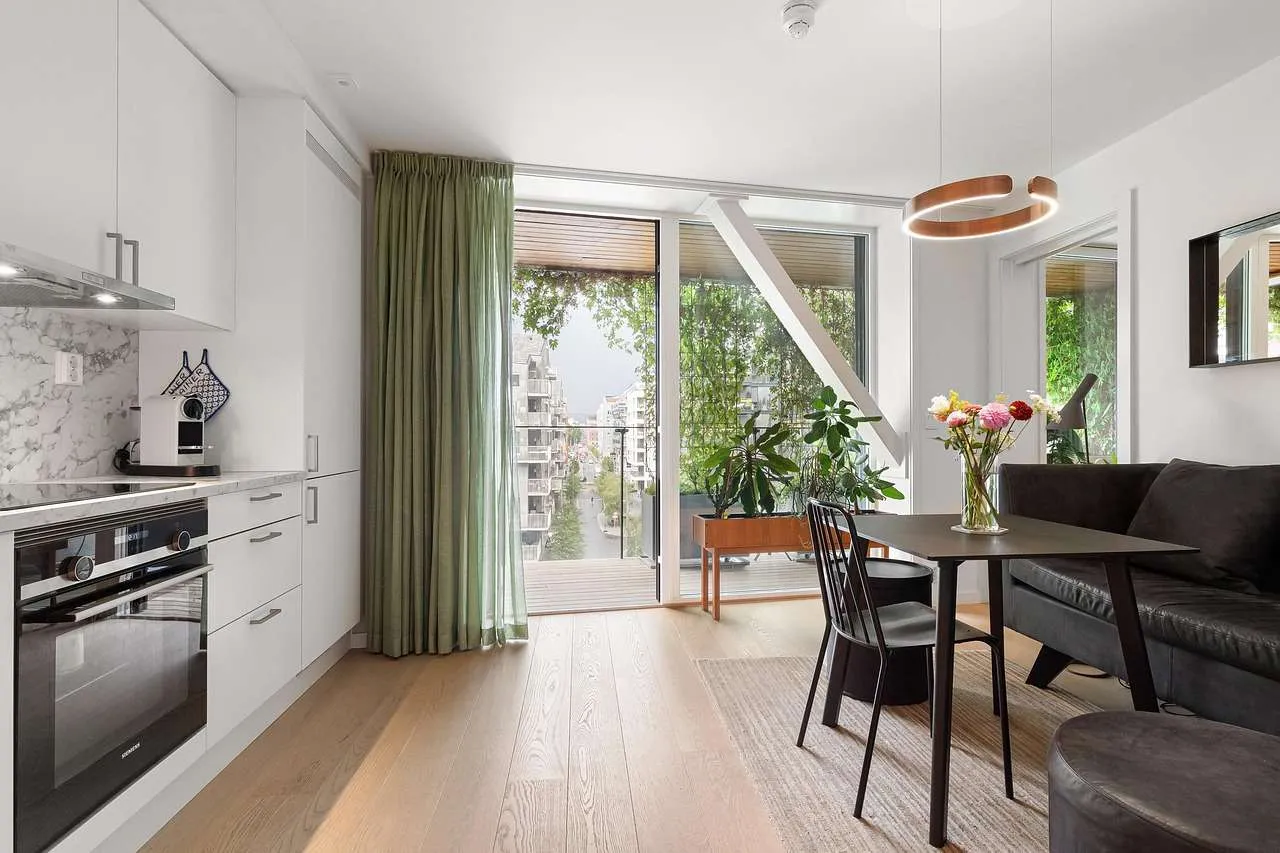
Home window tinting is a practical upgrade that goes beyond aesthetics. By applying a thin film to interior or exterior panes, you can reduce heat gain, block UV rays, minimize glare, and enhance privacy. For homeowners, this makes living spaces more comfortable and extends the life of furnishings and flooring. With the right film and a skilled installer, home window tinting delivers long-term energy and comfort benefits without sacrificing daylight or visibility.
What is home window tinting?
Home window tinting involves applying a tinted or reflective film to the interior surface of windows. The film works by absorbing or reflecting a portion of the sun’s energy, reducing the amount of heat and glare that enters a room. Modern tint films also block UV radiation, helping prevent fading of fabrics, artwork, and wood finishes while preserving natural light and outward visibility.
Key benefits of home window tinting
- Energy savings: By limiting solar heat gain, tinting can lower cooling loads in warm climates and reduce energy bills year-round.
- UV protection: Most films block up to 99% of UV rays, protecting occupants and interior furnishings from sun damage.
- Glare reduction: A tinted film minimizes harsh glare on screens and tabletops, improving comfort for work and relaxation.
- Privacy and aesthetics: Tint adds daytime privacy and can enhance curb appeal with a sleek, uniform look.
- Preservation of interior furnishings: Reducing sun exposure slows fading and cracking of fabrics, flooring, and artwork.
Types of tint films
Tint films come in several formulations, each with a different balance of heat rejection, UV protection, durability, and cost. The four most common types are:
- Dyed films: Inexpensive and good for privacy; however, they may fade over time and offer moderate heat rejection.
- Metalized films: Reflect solar energy to improve heat rejection and reduce glare, but can interfere with radio signals and may show a metallic sheen.
- Ceramic films: Higher durability with excellent heat rejection and UV blocking, while preserving color accuracy and visibility; typically the premium option.
- Carbon films: A balance of aesthetics and performance, offering good heat rejection without a noticeable reflection and excellent UV protection.
Comparison: tint types at a glance
| Tint Type | Heat Rejection | UV Blocking | Durability | Approx. Cost | Best Use |
|---|---|---|---|---|---|
| Dyed | Medium | Very High | Moderate ( fades over time ) | Low | Budget comfort, privacy |
| Metalized | High | Very High | Moderate to High | Medium | Glare reduction, energy savings |
| Ceramic | Very High | Very High | High | High | Premium comfort, critical glare control |
| Carbon | High | Very High | High | Mid to High | Balanced performance, privacy |
How to choose the right film and installer
To maximize EEAT—expertise, authority, and trust—start with research and due diligence. Seek installers who offer a clear written proposal, warranty, and a portfolio of completed jobs similar to your home. Ask about the film brand and product line, as reputable manufacturers like film options from major brands provide reliable performance data and manufacturer warranties. Confirm that the installer uses proper surface preparation and cleaning to prevent bubbles or premature failure. For many homes, ceramic or carbon films provide the best long-term value due to durability and high heat rejection.
Professional installation and warranties
A professional installation ensures proper adhesion, edge sealing, and uniform tinting. Reputable installers should offer a transferable warranty that covers staining, bubbling, peeling, or adhesive failure for a defined period. If a warranty is not offered, consider seeking another provider to avoid future maintenance costs and disputes.
Maintenance and care
Cleaning is simple: use a soft, non-abrasive cloth and a mild, non-ammonia cleaner. Avoid abrasive scrubbing and harsh chemicals that can degrade the film. Keep edges free of obstructions and if you notice bubbling or peeling, contact the installer promptly for evaluation and potential resealing under warranty.
Addressing common questions
Home window tinting does not darken interiors to a point where visibility is compromised during the day. The right film balances light transmission with heat rejection, preserving outward visibility while improving interior comfort. Regulations on tint darkness vary by region, especially for front doors and passenger windows; a knowledgeable installer will ensure compliance with local laws while meeting your performance goals.
Summary or conclusion paragraph to follow, ensuring the article ends with a concise recap that reinforces key takeaways. This section is intentionally reserved for the final concluding note.
Conclusion, by selecting the right tint type and a trusted installer, home window tinting delivers tangible benefits: cooler interiors, lower energy costs, better UV protection, and enhanced privacy. For best results, compare products, verify warranties, and choose a solution that matches your climate, daylight needs, and budget.