Bathroom Tile: Complete Guide
Date
2026-01-10 11:42:31
Category
Bathroom
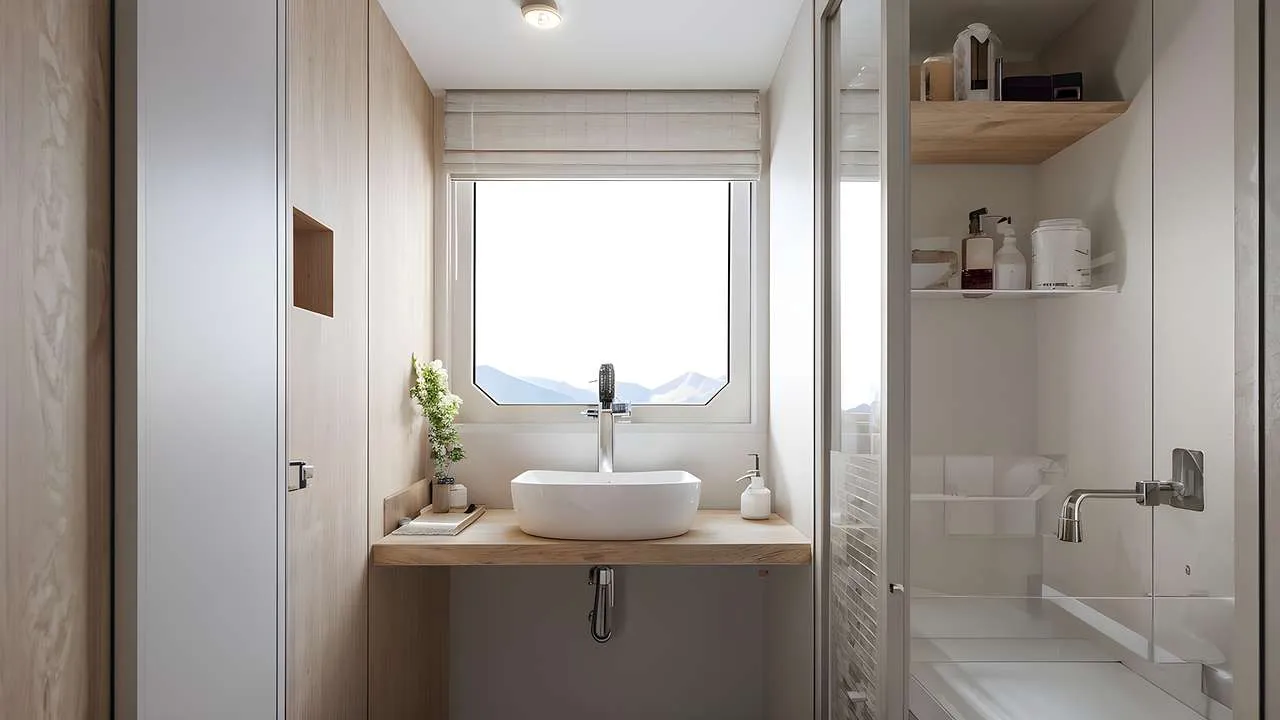
Choosing bathroom tile is a foundational decision for style and resilience in wet spaces. A well-chosen tile not only looks great but also withstands moisture, temperature changes, and heavy use. This guide covers options, selection criteria, installation tips, maintenance, and trends to help homeowners, designers, and contractors meet EEAT standards: demonstrated expertise, authoritativeness, and trustworthiness.
Understanding bathroom tile options
Tile materials range from everyday ceramic to premium natural stone. The most common choices for bathrooms are ceramic and porcelain, with porcelain offering higher density and lower water absorption. Natural stone such as marble or travertine delivers unique veining but requires sealing and more maintenance. Glass tiles provide light reflectivity and accent potential, while cement tiles offer bold patterns when sealed properly. For floors, consider large format tiles to reduce grout lines and improve cleaning, while smaller mosaics can add grip and aesthetic detail in showers.
Ceramic vs Porcelain
Ceramic tiles are affordable and versatile, great for walls and light traffic areas. Porcelain tiles are fired at higher temperatures and have lower porosity, making them more durable for floors and wet zones. Look for water absorption ratings below 0.5 percent for floors if you want long term performance in damp spaces.
Natural Stone, Glass, and Cement
Natural stone offers luxury and natural variation but typically requires sealing and more care to prevent stains. Glass tiles add sparkle but can be slippery in some finishes; they work well as accents or backsplashes. Cement tiles create contemporary patterns but may require sealing and periodic maintenance to prevent staining or moisture infiltration.
Key factors to consider when selecting bathroom tile
- Slip resistance for flooring and tub surrounds
- Water absorption and durability for wet areas
- Porosity and sealing needs
- Size, layout, and grout visibility
- Maintenance, cleaning products, and longevity
- Budget and installation complexity
Installation basics and professional vs DIY
Most bathrooms benefit from professional installation, especially for wet zones and floor tiling. Start with substrate preparation, waterproofing, and proper backer board where needed. For showers, install a waterproof membrane behind the tile and use a slit or sheet membrane as required by local codes. Choose a high quality thin set mortar appropriate for walls or floors, and ensure proper curing before grouting.
Preparation and tools
Prepare the substrate by cleaning, leveling, and ensuring dryness. Tools include a tile cutter, notched trowel, spacers, level, rubber float for grout, and a wet saw for precise cuts. Plan layout to minimize uneven edges and ensure consistent grout lines. Seal water-prone areas after installation if the tile or substrate requires it.
Grout, sealing, and upkeep
Seal porous tiles and grout as recommended by the manufacturer. Use color matched grout to hide or highlight lines, and perform routine cleaning to prevent mildew. Regular resealing is advisable for natural stone and some cement tiles.
Design ideas and patterns
Color and pattern choices set the mood. Neutral tiles paired with a bold grout color can create depth, while white walls with marble accents exude luxury. Consider patterns like herringbone, subway layouts, or large format grids to achieve different visual effects. For wet zones, a slip resistant texture combined with a matte finish improves safety without sacrificing style.
Maintenance and longevity
Maintenance is easier when you select tiles with appropriate glaze and durability. Clean with pH-neutral cleaners, wipe dry after showers, and address any grout cracks promptly to prevent water intrusion. Periodic sealing of porous materials and regrouting when joints deteriorate will extend the life of the tile installation.
Comparison of common bathroom tile types
| Tile Type | Pros | Cons | Best Use |
|---|---|---|---|
| Ceramic | Affordable and versatile | Less durable than porcelain | Walls and light traffic bathrooms |
| Porcelain | Durable and low porosity | Can be harder to cut and install | Floors and showers |
| Natural Stone | Distinctive beauty | Requires sealing and maintenance | Accent areas or statement showers |
| Glass | Brightens spaces and reflects light | Slippery when wet, higher cost | Backsplashes and inserts |
| Cement | Bold patterns and color | Porous unless sealed; potential efflorescence | Statement walls and floors |
Conclusion, with careful planning, correct material selection, proper installation, and smart maintenance, you can create a bathroom tile system that combines durability, safety, and style for years to come.
Related Articles
Small Bathroom Ideas: Stylish, Space-Saving Tips
Read More >
Bathroom Decor: Elevate Your Space
Read More >
Bathroom Decor Ideas: Stylish & Practical
Read More >