Home Window Tint Guide for Comfort and Savings
Date
2026-01-10 11:49:11
Category
Window
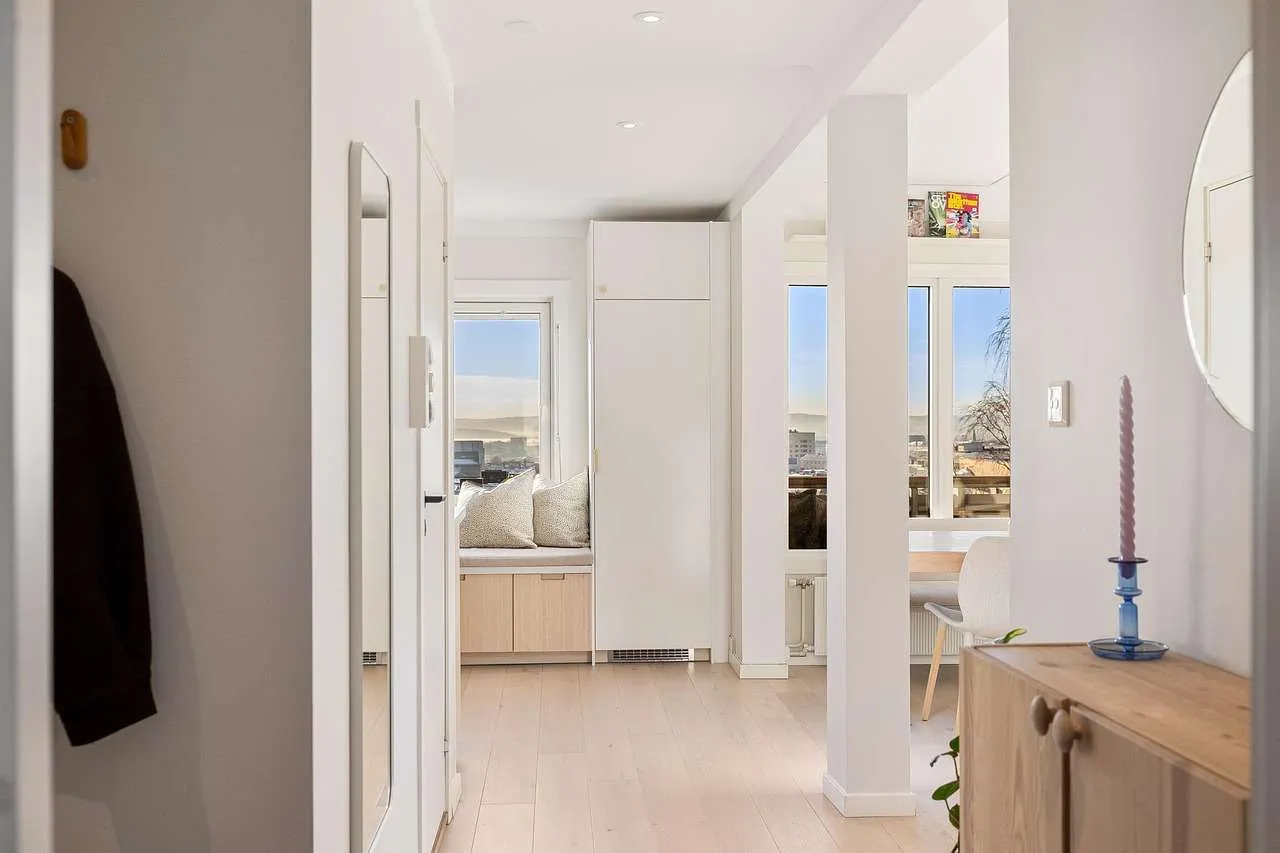
Home window tint is a film applied to glass to reduce heat, glare, and UV exposure. Modern window films are designed to preserve view while improving comfort and energy efficiency.
What is home window tint?
Window tint is a thin laminate often composed of multiple layers including dye, metal, or ceramic compounds that absorb or reflect infrared radiation. It is applied to the interior surface of glass using an adhesive or static cling method. The result is a tinted appearance that reduces heat gain without severely darkening the interior.
Types of tint for homes
Dyed window tint
Dyed films are budget-friendly and provide color and some privacy. They absorb heat through dye without reflective properties but may fade over time.
Metalized tint
Metalized films reflect a portion of infrared light, reducing heat and glare. However, they can interfere with electronics and create slight mirror effects.
Ceramic tint
Ceramic films use nonconductive particles that reject heat and UV without altering color or signal interference. They are often the premium option with strong performance and durability.
Carbon tint
Carbon-based films reduce heat and resist fading, maintaining a neutral appearance. They also minimize glare and provide good privacy.
Hybrid or specialized tint
Hybrid blends combine metalized and dyed layers to balance cost, heat rejection, and clarity.
Benefits of home window tint
- Energy efficiency: reduces cooling load by blocking infrared heat, decreasing AC usage.
- UV protection: blocks up to 99% of harmful ultraviolet rays to protect furnishings and skin.
- Glare control: improves comfort for occupants and screens readability.
- Privacy and safety: reduces visibility from outside and holds shattered glass in place.
- Preserved view: modern films maintain daylight while reducing heat, preserving exterior aesthetics.
Choosing the right tint for your home
- Define your goals: energy savings, privacy, or glare control, and your preferred level of natural light.
- Check local laws and HOA rules: some areas regulate tint darkness for street legality.
- Understand performance metrics: VLT (visible light transmission) indicates how dark the film is; UV rejection and IR rejection describe heat and sun-blocking capabilities.
- Quality and warranty: seek films with a long warranty and from reputable brands; professional installation often includes labor coverage.
- Keep aesthetics in mind: select a shade that complements your exterior and interior design while meeting function.
DIY installation vs professional installation
DIY kits are available, but installation requires careful surface cleaning, exact measurement, and bubble-free application. Improper installation can void warranties and lead to peeling or uneven edges. Professional installers offer exact measurement, edge sealing, and coordinated warranty coverage, often resulting in better long-term results.
Maintenance and care
Clean tinted windows with a soft, non-abrasive cleaner and a microfiber cloth. Avoid ammonia-based cleaners, as they can degrade the film over time. Regular inspection for peeling, bubbles, or edge lifting is advised, especially on south-facing windows where heat exposure is higher.
Costs, warranties, and value
Home window tint costs vary by film type, installation complexity, and window size. Average ranges start around 5 to 15 dollars per square foot for DIY applications, and professional installations can be higher, often 8 to 25 dollars per square foot depending on film quality and labor. Warranties commonly cover delamination, bubbling, and adhesive failure for 10 to 15 years for many premium films.
Table: Comparison of common tint types
| Tint Type | Heat Rejection | UV Blocking | Pros | Cons | Typical VLT |
|---|---|---|---|---|---|
| Dyed | Moderate | Good | Budget-friendly, good privacy | Fades over time | 20–60% |
| Metalized | High | Excellent | Strong heat reduction, glare control | Potential signal interference, mirror look | 15–40% |
| Ceramic | Very High | Excellent | Best overall performance, no signal issues | Higher cost | 25–60% |
| Carbon | High | Excellent | Dark look, good privacy, fade resistance | Moderate cost | 20–70% |
| Hybrid | Moderate-High | Good | Balanced performance and price | Variable quality | 20–50% |
At the end of the day, choosing a home window tint involves balancing your goals, local regulations, and budget while prioritizing product quality and warranty. Consulting with a reputable installer or supplier can help translate technical specs into real-world comfort gains.
Summary, a well-chosen home window tint reduces heat, blocks UV, and improves privacy without sacrificing daylight. It should be selected based on performance metrics, warranty, and professional installation to maximize longevity and value.
Related Articles
Home Window Repair: Expert Guide
Read More >
Home Window Tinting: Benefits and Guide
Read More >
Home Window Repair Near Me: Local Pros
Read More >